



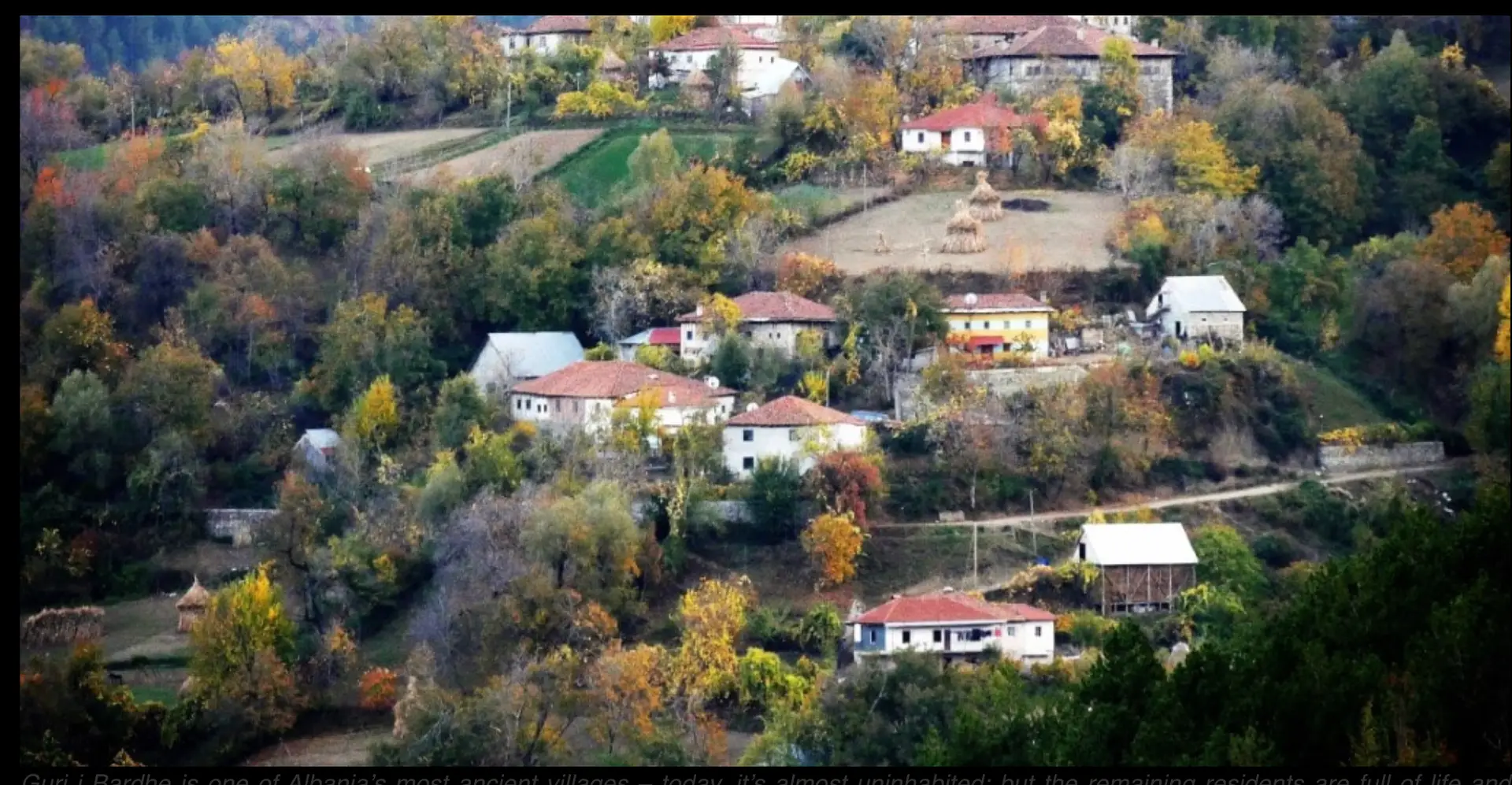
Just five or six minutes by car from the centre of Bajram Curri, the Matosh neighbourhood in Gri village has endured more than three decades without access to the electricity network. Residents report being repeatedly ignored by both local and national authorities.
The area, they say, has never been connected to the public electricity grid, despite its close proximity to the district’s main town. Families continue to live without reliable power, relying on alternative, often inadequate solutions to meet their basic daily needs.
For instance, some use solar panels, but these are insufficient during the winter months. Residents add that they have contacted the Regional Directorate of Electricity in Tropoja multiple times over the years, but to no avail. The lack of response has left many feeling hopeless and abandoned. In interviews, multiple families expressed their frustration and despair, sharing stories of how the absence of electricity affects their quality of life.
Furthermore, the children of Gri village struggle to complete their studies in the dark, often forced to rely on dim candles or battery-operated lights that provide minimal illumination. This has raised concerns among parents regarding the long-term educational impacts on their children.
As a community, they are determined to find a solution, holding meetings to discuss potential strategies and advocating for support from non-governmental organisations that might assist in improving their situation.
Some residents have even started exploring the feasibility of wind turbines as an alternative energy source, showcasing their creativity and resilience in the face of adversity.


Imagine living in the dark for 30 years
The Importance of Electricity for Development
Electricity is a crucial component for the development of any community, serving as the backbone for modern conveniences and opportunities. In Gri village, the absence of electricity has stunted economic growth and limited access to essential services.
Without electricity, businesses are unable to operate effectively, leading to a reliance on traditional methods that are often less efficient and productive. Furthermore, the lack of power hampers access to information and technology, which are vital in today’s digital age.
Imagine a small business in Gri village that could thrive if only it had reliable power. Local artisans and craftsmen miss out on potential customers because they cannot produce goods after dark or store perishable items.
The community’s potential remains untapped, creating a cycle of poverty that is hard to break. Thus, addressing the energy crisis is not simply about providing light; it is about empowering a community to reach its full potential and participate fully in society.
Challenges Faced by Residents of Gri Village
While the world connects online, residents of the Matosh neighbourhood in Gri village are literally being left behind in the dark ages. For over three decades, these families have lived without a single watt of electricity from the public grid. Imagine the frustration felt by parents who cannot help their children with homework at night, or the elderly who fear the dark due to safety concerns.
The challenges are multifaceted; families find it difficult to store food, which leads to waste and increased expenses. Additionally, the lack of street lighting raises safety issues, making it perilous for residents to navigate their neighbourhood after sunset.
Moreover, the health impacts cannot be overlooked. Without proper lighting, residents are at a higher risk of accidents in their homes. Medical emergencies become even more critical when there is no power to illuminate the way. The emotional toll of living in such conditions is significant; feelings of isolation and neglect are common.
As the regional government fails to address these pressing issues, the residents of Gri village are left with minimal options. However, their spirit remains unbroken as they continue to fight for their rights and seek assistance from various organisations that can provide the help they desperately need.
While the world connects online, residents of the Matosh neighbourhood in Gri village are literally being left behind in the dark ages. For over three decades, these families have lived without a single watt of electricity from the public grid. Imagine the frustration felt by parents who cannot help their children with homework at night, or the elderly who fear the dark due to safety concerns.
In addition to the physical hardships, there are significant psychological impacts on the community. Prolonged electricity deprivation can lead to hopelessness and despair. Residents often feel overlooked and forgotten by the government, which can exacerbate feelings of helplessness.
This psychological burden is compounded by the societal pressures to keep up with neighbours who might have access to electricity, leading to a disparity in living conditions.